Jared Burks
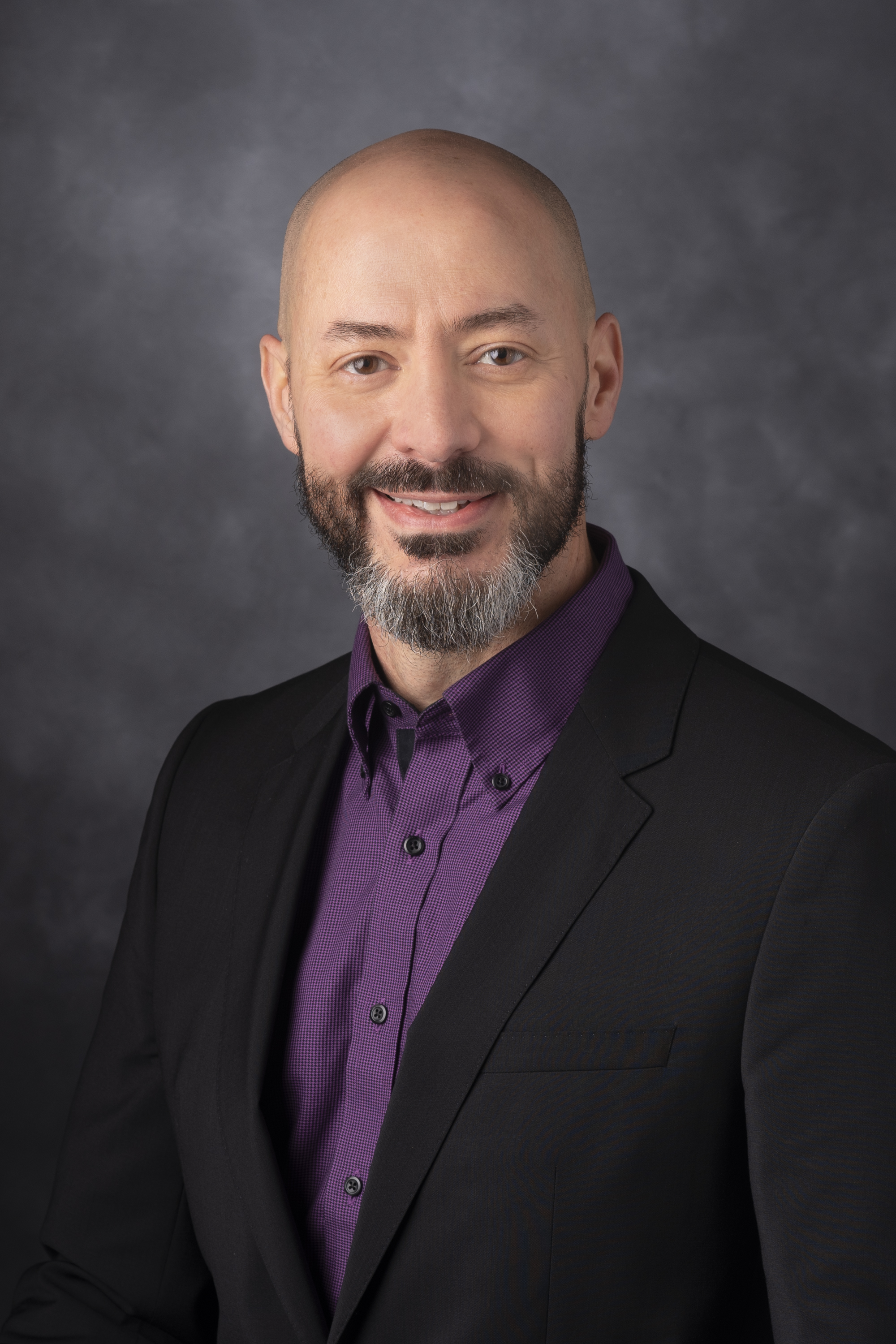
Jared K. Burks, Ph.D., is a prominent molecular biologist and technologist at MD Anderson Cancer Center, where he serves as a Professor, Associate Director of Shared Resources for
the Cancer Center Support Grant (CCSG), Executive Director of Shared Resource Technologies, Director of Flow Cytometry & Cellular Imaging Core and Director of Innovation Nexus. Recognized by the National Cancer Institute (NCI) as a Research Specialist in Spatial Biology (R50 award), he specializes in spatial biology and has introduced several innovative technologies such as live cell imaging, eight-color TSA imaging, mass cytometry (suspension and imaging), and sequential immunofluorescence.
Dr. Burks earned his Ph.D. in Biology from Texas A&M University, focusing on protein folding and trafficking under the National Academy member, Dr. Max D. Summers. He furthered his research at Baylor College of Medicine before joining MD Anderson, where he has directed a core facility for 14 years and founded the Innovation Nexus. The Innovation Nexus focusing on early adoption of novel technologies and has secured $5 million in novel technology partnerships within the last 18 months leading to multiple publications and funded grant awards.
His current work involves developing methods for data integration to enhance understanding of cellular communications in tumors. He regularly serves as a Key Opinion Leader for various technology companies. Most recently he established the Lunaphore Comet sequential immunofluorescence system and introduced STOmics spatial transcriptomics. Through these technologies Dr Burks helped create a pipeline to combine spatial metabolomics, glycomics, pepidomics, proteomics, transcriptomics, and microbiome data in 3D to understand the functional interactions that occur in unique spatial niche. These efforts were driven to support a now funded U01 HTAN grant. Dr. Burks’ expertise in emerging technologies drives collaborative efforts that lead to significant advancements in cancer research and biology.
Abstracts this author is presenting: